Real-Time Tracking for Field Employees: Enhance Efficiency
Michael Chen
Field Service ExpertMichael Chen leads operational strategy, analyzing thousands of SaaS-driven service companies to architect dispatch workflows that cut overhead and accelerate growth.
Content properly updated & verified for 2026
Mastering the Art of Tracking Field Employees in Real Time
Picture this: You're running a bustling plumbing service. It's a Monday morning, and your technicians are scattered across the city. Suddenly, a high-priority job comes in. Without real-time tracking, dispatching the nearest available technician becomes a guessing game, potentially leading to delayed service and unhappy customers. Real-time tracking of field employees is not just a luxury—it's a necessity for operational efficiency and customer satisfaction.
Understanding Real-Time Tracking Technology
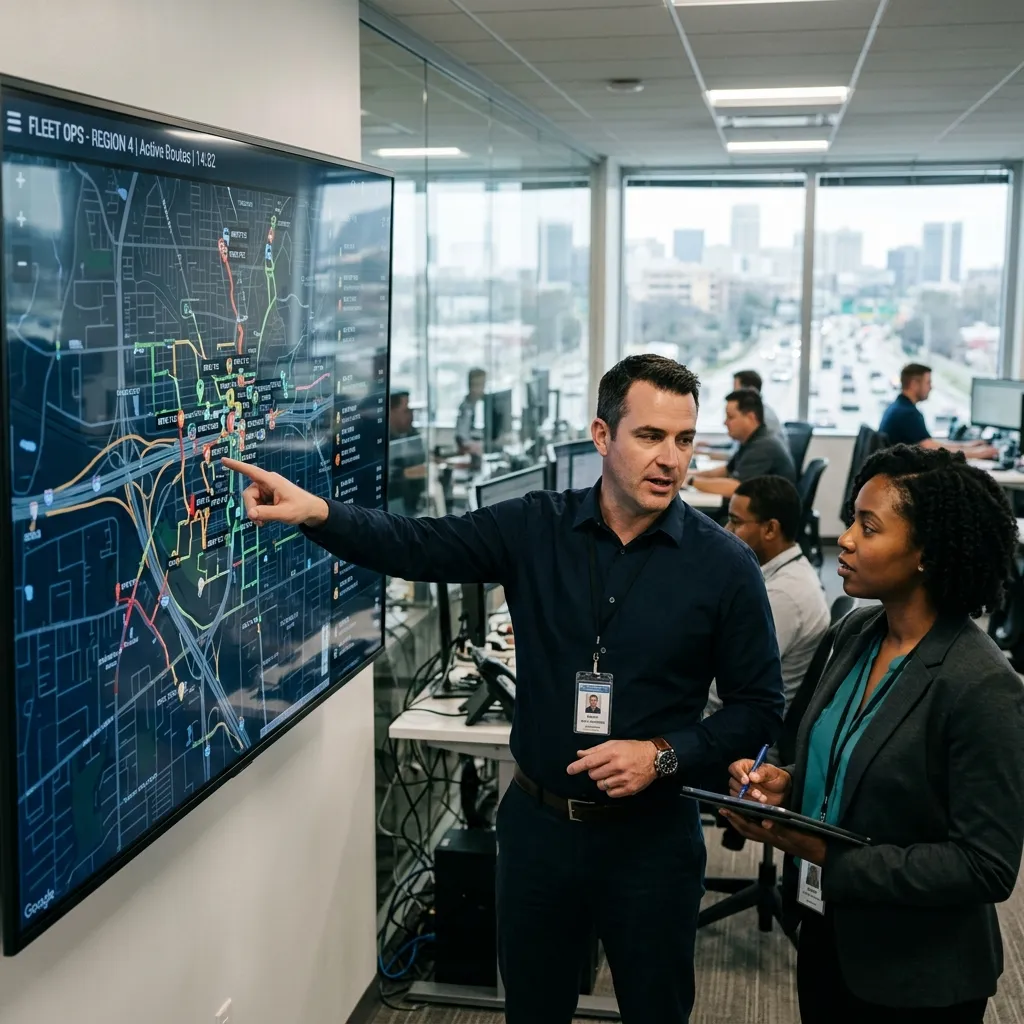
Real-time tracking technology is the backbone of modern field service management. It allows managers to know where their field employees are at any given moment, with precision. This technology relies heavily on GPS systems embedded in mobile devices or dedicated tracking gadgets. These systems provide continuous updates about the employees' locations.
How Does GPS Work in Real-Time Tracking?
GPS, or Global Positioning System, uses a network of satellites to pinpoint a device's location on Earth. This system sends signals to the receiver, which calculates its position based on the time delay of the signals. The beauty of GPS in real-time tracking is its accuracy and reliability even in remote areas, making it an invaluable tool for field services.
Benefits of Real-Time Tracking
Implementing real-time tracking brings a slew of advantages. First, it drastically reduces unauthorized downtime, often referred to as "wrench time." Real-time data allows managers to reassign tasks swiftly if an employee is delayed. Additionally, it optimizes route planning, reducing fuel consumption and wear on vehicles, thus saving costs—a critical factor in maintaining profitability.
Essential Tools for Real-Time Employee Tracking
Choosing the right tools is vital for effective real-time tracking. There are numerous software solutions designed to cater to field services, each offering unique features.
Key Features to Look For
When evaluating tools, look for features such as geofencing, which alerts managers when employees enter or leave a designated area, and real-time alerts for deviations from assigned routes. Integration capabilities with existing systems can also streamline data management and enhance overall efficiency.
Pro Tip: Never dispatch without checking inventory to avoid costly delays.
Top Real-Time Tracking Tools
Several tools stand out in the market. For instance, Geocall offers robust scheduling and resource allocation features, making it ideal for utilities and similar industries. Skedulo provides comprehensive mobile workforce management, focusing on empowering workers with necessary resources.
Challenges in Implementing Real-Time Tracking
Despite its benefits, implementing real-time tracking is not without challenges. Privacy concerns are foremost, as employees may feel uneasy about being constantly monitored. It's crucial to address these concerns through transparent communication and policies that respect employee privacy while ensuring operational needs.
Balancing Privacy and Efficiency
Creating a balance requires clear policies that define what data is collected, how it's used, and who has access. Providing employees with insights into how tracking improves their workflow can also enhance acceptance.
Technical and Operational Hurdles
Technical issues, such as GPS signal loss in dense urban areas or software malfunctions, can impede tracking accuracy. Regular updates and maintenance of software and hardware are necessary to mitigate these issues. Training employees on the system's use is equally critical to ensure smooth operations.
Ready to scale your service business?
Join thousands of field service businesses saving 15+ hours a week on dispatching, quoting, and invoicing.
Boosting Efficiency with Real-Time Insights
Real-time tracking offers more than just location data. It provides insights into employee productivity and can highlight areas for improvement.
Analyzing Data for Operational Gains
Data collected from tracking can reveal patterns in employee movements and job completion times. This information is invaluable for identifying bottlenecks and optimizing workflow. For instance, if a technician often spends excessive time at a particular task, additional training may be necessary.
Enhancing Customer Satisfaction
With real-time updates, customers are informed of their service status, reducing wait times and improving satisfaction. This transparency builds trust and enhances the company's reputation.
Legal and Ethical Considerations
Navigating the legal landscape is crucial for any tracking initiative. Laws governing employee tracking vary by region and must be adhered to strictly.
Understanding Applicable Laws
In many places, consent is a legal requirement before tracking employees. Companies must ensure they obtain and document consent, clearly outlining how data will be used.
Ethical Tracking Practices
Ethical considerations go beyond legal compliance. Companies should aim to use tracking data responsibly and avoid punitive measures based solely on location data. Instead, use insights to support and develop employees.
Integrating Real-Time Tracking with Workforce Management Systems
Real-time tracking should not operate in isolation but as part of a comprehensive workforce management strategy.
Seamless Integration for Maximum Efficiency
Integration with workforce management systems allows for centralized control over scheduling, dispatching, and resource allocation. This holistic approach ensures that all aspects of the field service operation are in sync.
Leveraging Technology for a Competitive Edge
Companies like OraServ offer solutions that integrate real-time tracking with broader workforce management, supporting field service businesses in streamlining operations and improving service delivery.
Frequently Asked Questions
Real-time tracking allows for precise task allocation and quick response to changes in the field, reducing downtime and improving service delivery efficiency.
Employees may be concerned about constant monitoring. Addressing these concerns involves clear communication about the purpose of tracking and ensuring data privacy.
Yes, legal requirements vary by region and typically include obtaining employee consent and outlining how data will be used.
Industries with mobile workforces, such as HVAC, plumbing, and utilities, benefit significantly from real-time tracking by improving resource allocation and customer service.
Challenges include ensuring employee buy-in, managing technical issues, and maintaining compliance with legal regulations regarding employee privacy. Pro Tip: Use real-time tracking data to not only manage field operations but also to anticipate future needs and trends in service demand. For more comprehensive context, visit our in-depth guide. Ready to Elevate Your Service Business? Experience the difference with an all-in-one field service platform. Start your free trial today and transform how you manage your operations permanently.
Ready to scale your service business?
Join thousands of field service businesses saving 15+ hours a week on dispatching, quoting, and invoicing.
Keep Reading

Comprehensive Guide to HVAC Field Service Software Startups
Discover insights on launching an HVAC field service software startup. Learn strategies, challenges, and solutions.

Invoicing Best Practices for Service Companies | Optimize Billing
Discover top invoicing best practices for service companies to streamline your billing process and improve cash flow.

How to Get More Service Calls | Boost Your Business
Discover effective strategies to increase service calls and grow your field service business. Learn essential tips today.